Why chronically dehydrated skin won’t heal with a heavy cream

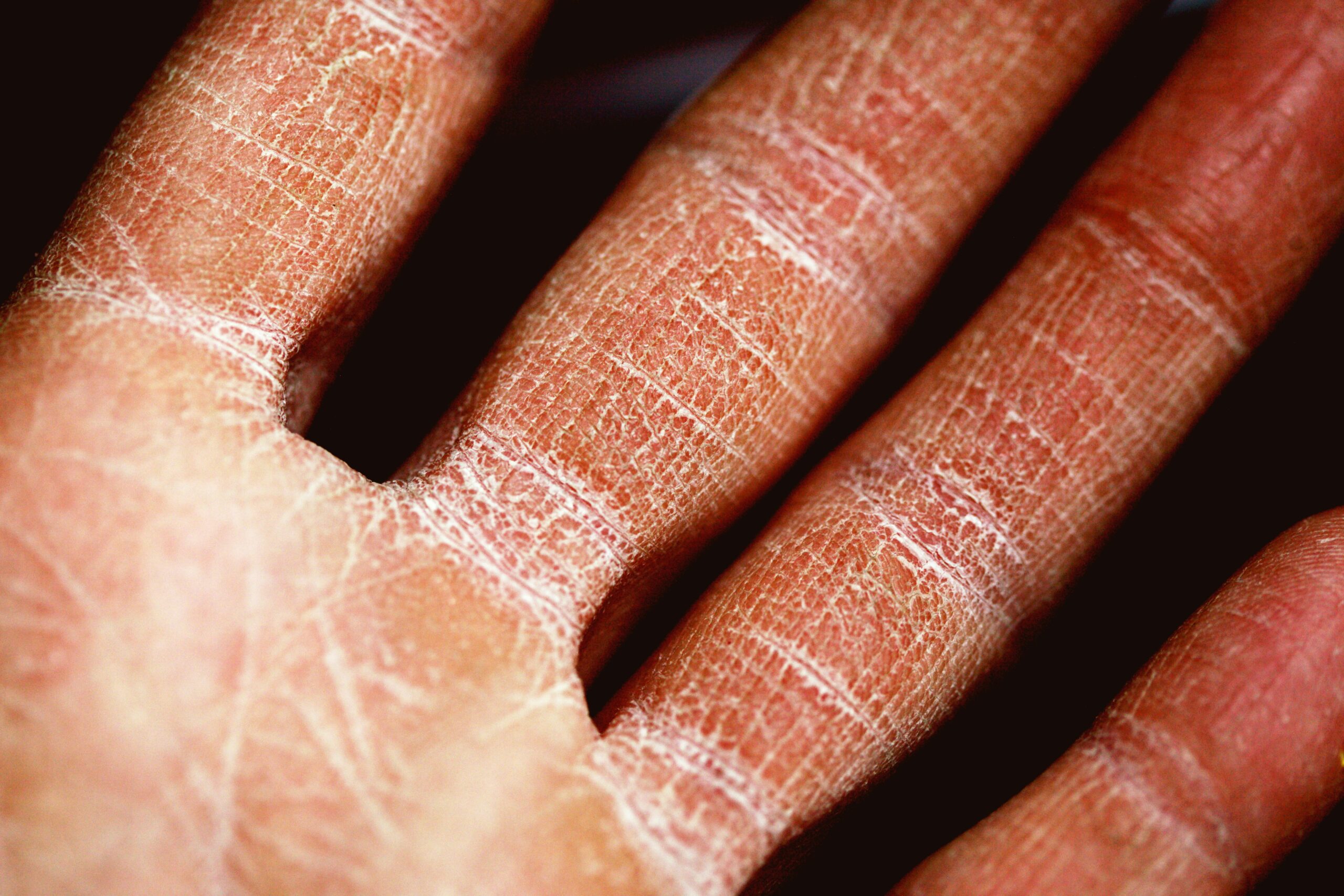
Do you feel that no matter how much cream you put on, your skin still feels dry and tight? It flakes, looks tired, and doesn’t care how expensive your products are.
You’re not alone. Chronically dehydrated skin is a vicious circle that many people try to escape using the wrong strategy. The short version: your rich cream is not doing what you think it does.
Let’s clear things up from the start
Most people assume that if their skin feels dry, the solution is to put something oily on top. It sounds logical. But skin biology is more complex than that.
Chronically dehydrated skin doesn’t just lack oil or sebum on the surface. It’s an entire system that isn’t working properly anymore. The cells are “asking” for water, not for more oil.
Think of it this way: if you have a completely dry sponge, you can coat it in butter as much as you like, but it will still be dry inside. You need to soak it in water first. Your skin behaves in a similar way.
Hydration = water in the skin
Oil/occlusion = keeping that water from evaporating
You need both, in the right order.
The difference between hydration and occlusion
When the skin is chronically dehydrated, your barrier is missing two things:
- Water inside the epidermis (proper hydration)
- The ability to keep that water in place
A rich, oily cream can form a protective film on top of the skin. That’s called occlusion. It works like a lid on a pot.
But if there’s almost no water underneath, you’re basically putting a lid on an empty pot. It looks shiny, but nothing truly changes inside.
We see this often: clients send us photos with skin loaded with thick moisturisers, yet it still looks rough and dehydrated. The problem isn’t that the cream is “too weak”. The problem is that it’s trying to seal in something that isn’t there.
Hydration means bringing water into the cells.
Occlusion means preventing the water from evaporating.
They are two different steps that need to work together, not one instead of the other. Many routines fail because they only focus on occlusion and ignore true hydration and barrier repair.
What “repair” actually means
Repair is about rebuilding the skin barrier. That means bringing back the lipids that hold your cells together:
- ceramides
- essential fatty acids
- cholesterol
These are the “bricks and mortar” that seal the gaps between cells and make sure water doesn’t escape too quickly.
When the barrier has been compromised for a long time (over-exfoliation, harsh cleansers, strong actives), you can put as much heavy cream as you want on top. Water will still escape through all those invisible cracks in the wall.
It took me some time to fully understand this. At first, I also recommended heavier creams for dry skin, simply because that’s what I had learned. But when clients came back with the same issues, I started digging deeper. I read more, tested formulas, and played with combinations of humectants, lipids, and occlusives. Only then did the puzzle start to make sense.
How to fix chronically dehydrated skin step by step
You need to approach chronic dehydration in layers, not with one miracle product.
1. First step: bring water into the skin
This is the stage where humectants come in:
- hyaluronic acid
- glycerin
- urea
- betaine
They attract water from the environment or from deeper layers of the skin. A well-formulated hyaluronic acid serum applied on damp skin can make a clear difference in how your skin feels within days.
2. Second step: repair the barrier
Next, you give your skin the raw materials it needs to rebuild itself:
- ceramides
- niacinamide
- omega fatty acids
Look for serums and creams that actually contain these ingredients, not just marketing claims. The goal is not to “cover” the skin, but to support its architecture so it can hold on to water on its own again.
3. Third step: seal everything in
Only now it makes sense to add an occlusive step:
- a slightly richer cream
- a facial oil suitable for your skin type
- or a balm used as a last step in the evening
You don’t necessarily need something extremely greasy, just a product that creates a light protective film without suffocating the skin.
Mistakes I’ve seen thousands of times
1. Going straight to heavy creams
People jump directly to thick, buttery creams labeled “48h intense hydration”. But if you look at the INCI list, many of them contain mostly emollients and occlusives, with few or no humectants and barrier-repair ingredients. They feel comforting for a moment, but don’t change much long term.
2. Giving up too soon
The skin barrier doesn’t rebuild overnight. You need weeks of consistent use with the right products. Many stop after a few days because they don’t see a dramatic change yet and assume “it doesn’t work”.
3. Over-exfoliating dehydrated skin
When skin is flaking and rough, the instinct is to scrub harder to “remove the dry patches”. That usually makes things worse. Aggressive exfoliation further damages the barrier and increases water loss. The result: even more dehydration.
What actually works for chronically dehydrated skin
For this kind of skin, I usually recommend a simple trio:
- A multi-weight hyaluronic acid serum to hydrate several layers of the epidermis
- A ceramide and niacinamide cream to repair the barrier
- A suitable facial oil as a last step at night, ideally non-comedogenic if your skin is acne-prone
Whatever you choose, consistency matters more than perfection. Skipping for two weeks and returning “when you remember” won’t give the skin enough time to rebuild.
A sample routine for chronically dehydrated skin
Speaking as someone with young, combination, acne-prone, and hyper-reactive skin, here’s a routine structure that works for many people:
Morning
- Gentle, soap-free cleanser
- Hyaluronic acid serum on damp skin
- A small amount of ceramide cream
- Broad-spectrum SPF 30–50 (yes, even in winter, even when it’s cloudy)
Evening
- Careful oil-based cleanse (especially if you wear SPF or makeup)
- Gentle water-based cleanser
- Serum with niacinamide or peptides for repair
- A richer night cream with barrier-supporting ingredients and zinc
- A few drops of facial oil if skin still feels tight
A practical tip: products absorb better on slightly damp skin. Don’t towel-dry completely. Pat gently, then apply your serum while there is still a hint of moisture on the surface.
The bigger picture
Chronic dehydration is a complex puzzle. A heavy cream is only one piece, not the whole picture. Your skin needs:
- Water
- Repair
- Protection
In that order. It’s a process, not an instant fix.
If you’ve tried “everything” and nothing seems to work, it might be time to look beyond skincare: stress levels, diet, sleep, hormones. Skin doesn’t exist in isolation; it reflects what happens in the rest of your body.
Next time your skin feels chronically dehydrated, resist the urge to run straight to the thickest cream on the shelf. Think in layers. Think in ingredients. And most importantly, give your skin time.