How to Read a Cosmetic Ingredient List

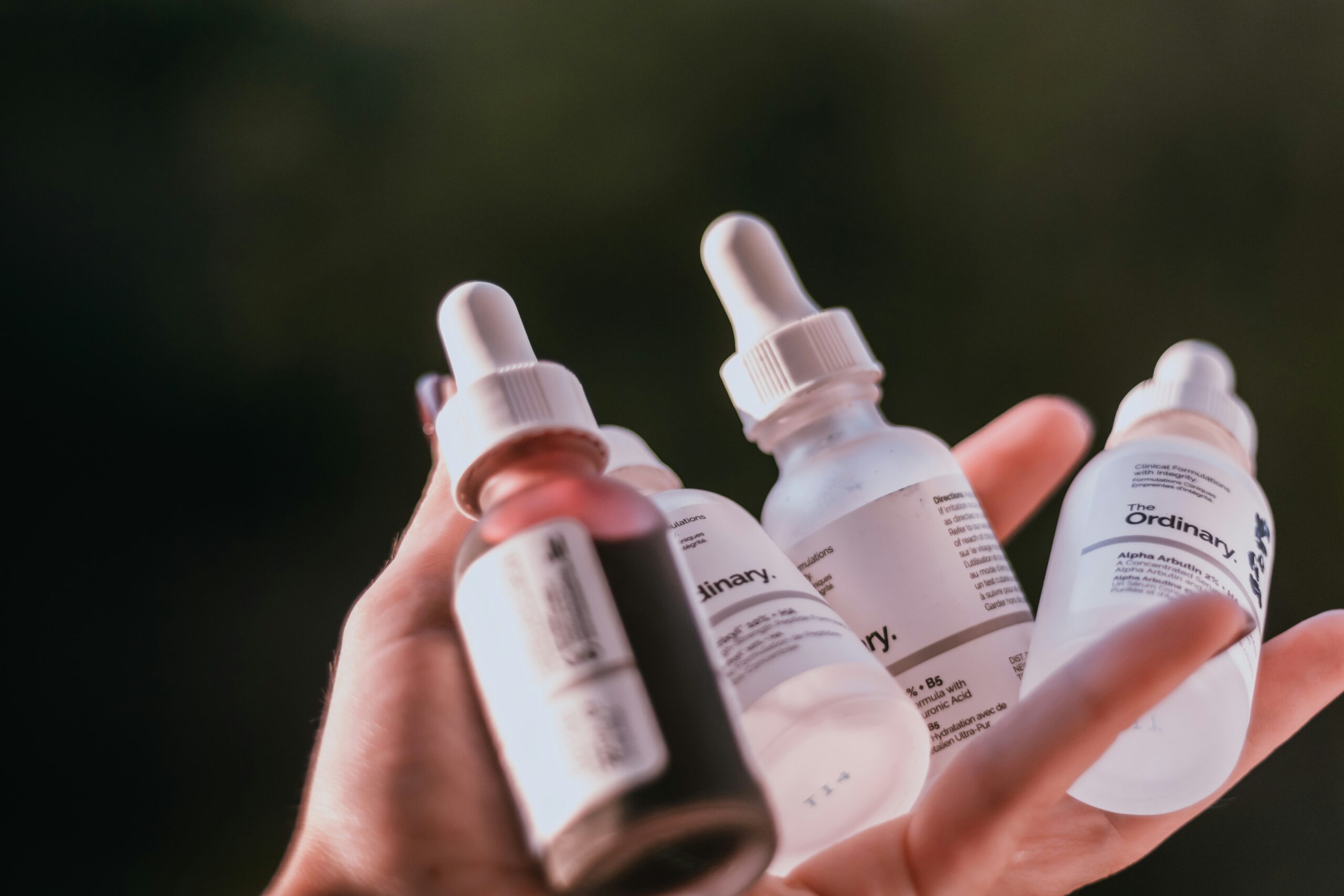
The first things you notice about a product are the packaging and the claims on the front label. But what truly affects your skin is hiding in the ingredient list. That’s where it’s decided whether a cleanser respects your barrier – or quietly strips it.
You don’t need to know every branch of cosmetic chemistry. A few clear principles, applied consistently every time you pick up something new, are more than enough.
Why the INCI List Actually Matters
The INCI ingredient list (International Nomenclature of Cosmetic Ingredients) is not a formality – it tells a story. Ingredients are listed in descending order of concentration: the first ones make up the bulk of the formula, while the last positions typically contain preservatives, fragrance, colourants, or plant extracts in very small amounts.
Research into the skin barrier shows that certain surfactants – such as sodium lauryl sulfate (SLS) used in aggressive formulas – can increase transepidermal water loss (TEWL) and disrupt the skin microbiome, leading to dryness and heightened sensitivity.
In other words, what’s written in the ingredient list translates directly into how your skin feels day to day.
How to Read a Skincare Ingredient List
Cleansers: Start With the Barrier
When reading a cleanser’s ingredient list, pay particular attention to the type of surfactants used and the overall formula texture.
- Coco-glucoside
- Decyl glucoside
- Sodium cocoyl isethionate
- Glycerin
- Squalane
- Betaine
- Close to the skin’s own
- Approximately 4.5-6.0
A good example is a squalane-based cleanser – the kind that dissolves SPF and makeup without leaving the skin feeling tight or stripped.
- SLS or other aggressive surfactants appearing in the first few positions
- Heavy fragrance, especially on sensitive or rosacea-prone skin
- Denatured alcohol is near the top, particularly in formulas for dry or reactive skin types
Active Formulas: Where to Look on the List
With serums and concentrated treatments, the focus shifts to the active ingredients and their position in the formula. If a product claims “10% niacinamide” or “2% salicylic acid”, that ingredient should appear relatively early – before fragrance and colourants.
- Niacinamide
- Panthenol
- Beta-glucan
- Salicylic acid
- Lactic acid
- Mandelic / PHAs
- Vitamin C
- Vitamin E
- Resveratrol
- Retinol
- Retinal
- Retinyl esters
Signs a formula might not be what it seems: the hero ingredient appears near the very end of the list, after fragrance – or the formula contains many powerful actives at once, without a clear formulation rationale.
Moisturisers and Barrier Repair
When reading the ingredient list on a moisturiser, look for three key categories working together:
- Glycerin
- Sodium hyaluronate
- Betaine
- Squalane
- Refined plant oils
- Caprylic triglyceride
- Ceramides
- Cholesterol
- Fatty acids
A well-structured barrier-repair moisturiser will combine all three of these categories in a single formula.
Ingredients to Avoid – or Use Mindfully
There are no universal blacklists in skincare. But certain ingredients are worth a closer look in the ingredient list, particularly for sensitive or reactive skin:
- Synthetic fragrance in high concentrations, especially in leave-on products
- Denatured alcohol in the first five ingredients of formulas for dry or irritated skin
- Aggressive surfactants used daily, such as SLS in cleansers or shampoos for a sensitive scalp
A product containing fragrance but otherwise well-formulated, used on a tolerant skin type, can be perfectly fine. A fragrance-free product loaded with multiple strong acids may be far more problematic for a compromised barrier.
How to Turn Ingredient Lists Into Smarter Choices
This is the formula’s foundation – surfactants, humectants, oils, or alcohol. It tells you the most about what you’re actually applying to your skin.
If the ingredient the product is built around appears near the very end of the list, its effect may be more marketing than meaningful.
Compromised barrier? Prioritise ceramides, panthenol, and a gentle texture – not three different acids in the same product.
A salicylic acid serum, a retinoid, and an AHA toner in the same evening is too much for most skin types. Layering actives is a skill, not a competition.
After an exfoliant or retinoid, follow with a barrier-repair product – something with peptides and ceramides can help rebalance the routine and prevent unnecessary irritation.
The Bottom Line
Reading a cosmetic ingredient list becomes far easier once you know what to look for: the base of the formula, the position of key actives, the type of surfactants, the presence of barrier ingredients – and how all of it fits your skin’s real needs.
The right routine isn’t about perfect products. It’s about consistency and more informed choices.
Looking to explore clean, well-formulated skincare? Browse our curated selection of cleansers, serums, and barrier creams.