Feel like your skincare stops working in winter? Try this.

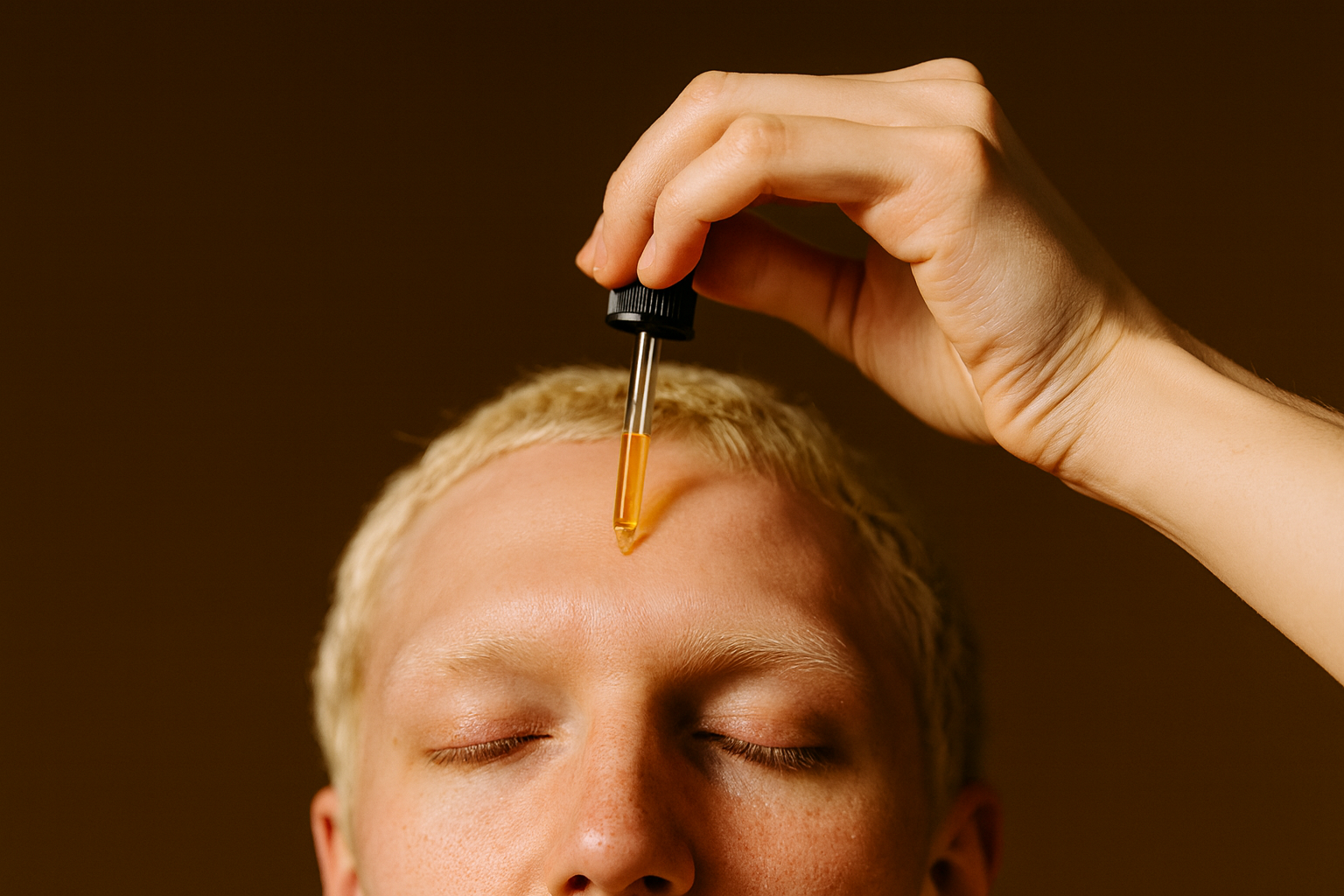
Our skin senses the change in weather long before we decide to swap our wardrobe. That subtle feeling of being “too dry” in the morning, the sudden appearance of red patches or a scalp that becomes unexpectedly irritated are not coincidences, but clear biological signals. Your body is trying to recalibrate to new temperature and humidity conditions. The routine that worked perfectly a week ago can quickly become insufficient or even unsuitable.
Your skincare routine does not need a complete overhaul every time the weather changes. It is more about fine-tuning textures and active ingredients to compensate for what the external environment no longer provides.
What happens to your skin when the weather changes
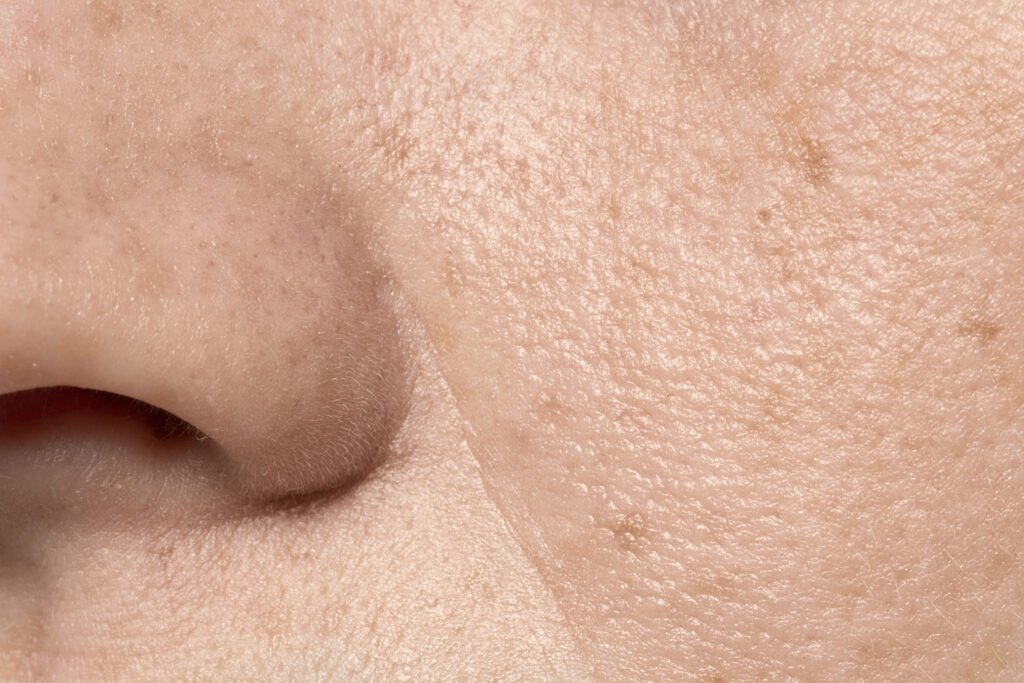
To make good decisions for your skin, it helps to understand what is happening at a microscopic level. Skin is both a thermoregulatory organ and a physical barrier. When you move from warm to cold (or the other way round), or when humidity levels in the air fluctuate dramatically, its barrier function is put under pressure.
A study published in the Journal of the European Academy of Dermatology and Venereology showed that decreases in humidity and temperature significantly reduce hydration of the stratum corneum and increase skin roughness. Cold also triggers vasoconstriction (blood vessels constrict to conserve heat). This reduces the flow of nutrients to the skin’s surface, leaving it dull and lacking vitality.
By contrast, the transition into the warmer season comes with the challenge of excess sebum production and enlarged pores, driven by higher temperatures that stimulate the sebaceous glands.
The “Coats & Layers” strategy in skincare
Just as you add or remove layers of clothing, you need to do the same with your skincare products. The secret lies in consistency and layering.
Adjusting your cleansing step
If you preferred a foaming cleanser in the hot season, one that left your skin feeling “squeaky clean”, be aware that during cold-to-warm or warm-to-cold transitions the hydrolipid barrier is more vulnerable. A harsh gel cleanser can strip away the essential lipids that hold skin cells together.
Look for cleansers with a physiological pH (around 5.5) that contain gentle surfactants. If your skin feels tight immediately after cleansing, that is the first sign that your current product is too aggressive for the new season.
When humidity drops, your skin’s hydration needs to rise
This is the most important change to make in your routine when the seasons shift. When environmental humidity drops, simple humectants (such as hyaluronic acid used on its own) may not be enough if they are not properly sealed in.
To prevent water loss from the tissues (TEWL – transepidermal water loss), you need ingredients that mimic the skin’s own structure: ceramides, fatty acids and cholesterol. They act like the “mortar” between the “bricks” (your skin cells).
An excellent product for this transition stage, which gives you exactly the structural support you need, is Theramid Ceramide Treatment. Its formula with 3% pure ceramides and ectoine not only hydrates, but actively helps repair a skin barrier compromised by wind or temperature swings. It is ideal to introduce into your evening routine, before your moisturiser. If you have dry skin, you can even use it in the morning.
If you are moving into a warmer season, keep your barrier intact by changing the vehicle, not the function. Opt for gel-cream emulsions or milky serums instead of heavy, occlusive creams.
Retinoids and exfoliants during transition periods
Many of us use retinoids or exfoliating acids (AHA/BHA). During seasonal transitions, your skin can suddenly become more reactive to strengths it previously tolerated well.
You do not need to stop using them, but you may need to change how often you apply them. If you were using retinol every evening, reduce application to once every other night or use the “sandwich” method (a layer of moisturiser, retinol, then another layer of moisturiser). If your skin looks dull and congested, a gentle exfoliation can remove dead cells that build up more quickly when the skin is dehydrated.
Look for formulas that combine exfoliation with repair. Transparent Lab products, for example, are designed to deliver active ingredients deeply without irritating the surface, which makes them a good fit for those moments when your skin behaves unpredictably.
Hair and scalp: collateral victims of changing seasons
We often focus so much on the face that we forget the scalp is skin too. Seasonal hair shedding is a common phenomenon in autumn and spring. Although it is a normal renewal process, it can be worsened by oxidative stress and a dry scalp.
A dry, irritated scalp will produce more fragile strands of hair. If you notice itching or fine flaking as the weather cools down, resist the urge to reach straight for an anti-dandruff shampoo. These formulas are often harsh and can dry the scalp even more. What the scalp needs is emollience and soothing care.
Natural oils, used as a pre-wash treatment, can work wonders for scalp elasticity. Balmonds Scalp Oil is a 100% natural blend, specially formulated for scalps prone to irritation, eczema or severe dryness. Its ingredients (such as hemp and borage oils) help calm inflammation and nourish hair follicles, creating an optimal environment for hair growth.
Quick transition checklist
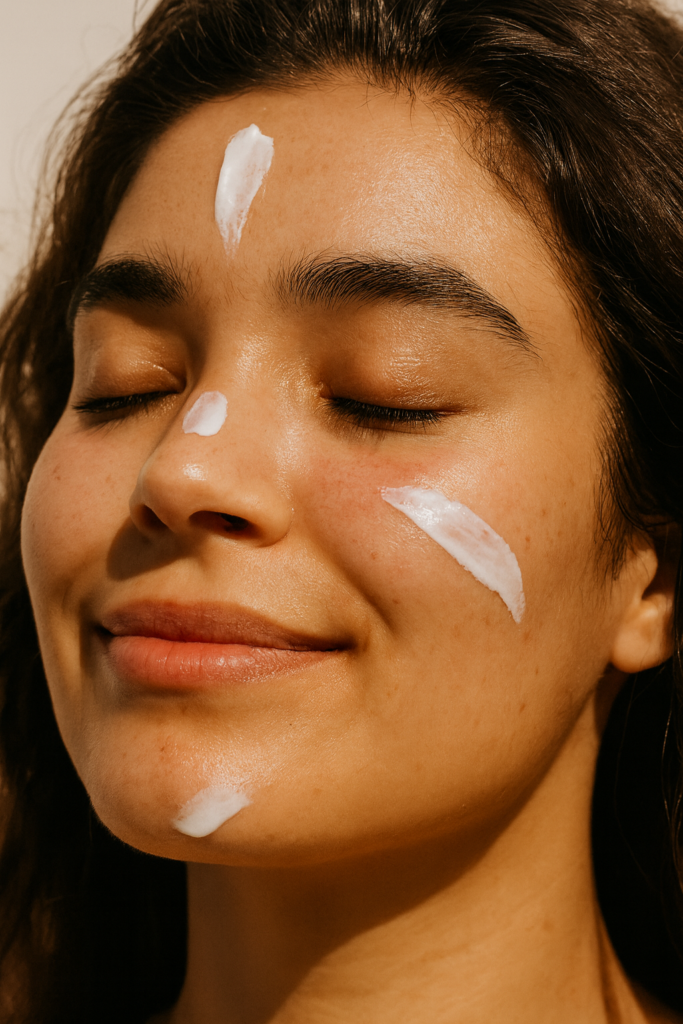
To keep things simple, here is a short checklist you can go through whenever you feel the weather starting to shift:
- Check your cleanser: If it foams excessively, switch to a milky cleanser or a gentle gel.
- Add a hydrating toner: Applying several thin layers of toner (the “7 skins” method) is often more effective than one thick layer of cream. A versatile product like COSRX snail mucin provides hydration without overloading the skin and works with any skin type in transition.
- Seal in hydration: Make sure your evening routine ends with an occlusive product that locks water into the skin.
- Do not skip SPF: Even when the sun does not feel strong, UVA rays (which drive premature ageing) pass through clouds and windows. Daily sun protection is still non-negotiable.
- Look after lips and hands: These areas have few or no sebaceous glands and are the first to crack. Keep a repairing balm in your bag.
Your body skin needs care as well
The skin on your body often becomes rougher as temperatures change. Conditions such as keratosis pilaris (that “chicken skin” on the upper arms) can flare up due to friction from thicker clothing and dehydration.
Introducing a body lotion with urea or gentle acids, applied straight after showering on damp skin, can help prevent that persistent itchy feeling. Brands like Salt and Stone offer solutions that turn this necessity into a pleasant ritual, thanks to their textures and natural scents.
Listen to your skin, not just the calendar
Every complexion is unique and reacts differently. Some people will feel the need for richer textures as early as September, while oilier skins may do well with lightweight formulas until late winter. The most important rule for adjusting your skincare when the seasons change is observation.
Look at your skin in natural light. Feel its texture. If it responds to your usual products with redness or discomfort, it is time to intervene gently. Small adjustments, made at the right moment, can prevent bigger problems later on. Your skin has an impressive capacity to adapt. Support it so that it stays balanced and radiant, regardless of what the thermometer shows.